DocumentsPresentationDec 6, 2021Pages 4–17
BC Transit Update — Langford Council Meeting
Presentation by BC Transit / Victoria Regional Transit Commission covering system scope, local collaboration, West Shore Local Area Transit Plan and RapidBus proposals.
Key facts
- System scope: ~351 buses, ~1 million service hours annually, 56 routes and ~2,300 bus stops
- Development Referrals: ~40 referrals from Langford in 2021
- West Shore Local Area Transit Plan: project began June 2021; public engagement Oct 27–Nov 24, 2021; plan completion anticipated Feb 2022
- RapidBus implementation and short/medium-term routing/station concepts discussed
BC Transit Update — Langford Council Meeting
Date: December 6, 2021
Page 4–17
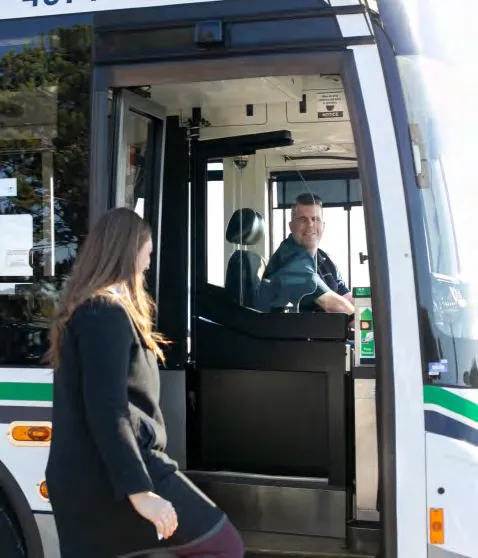
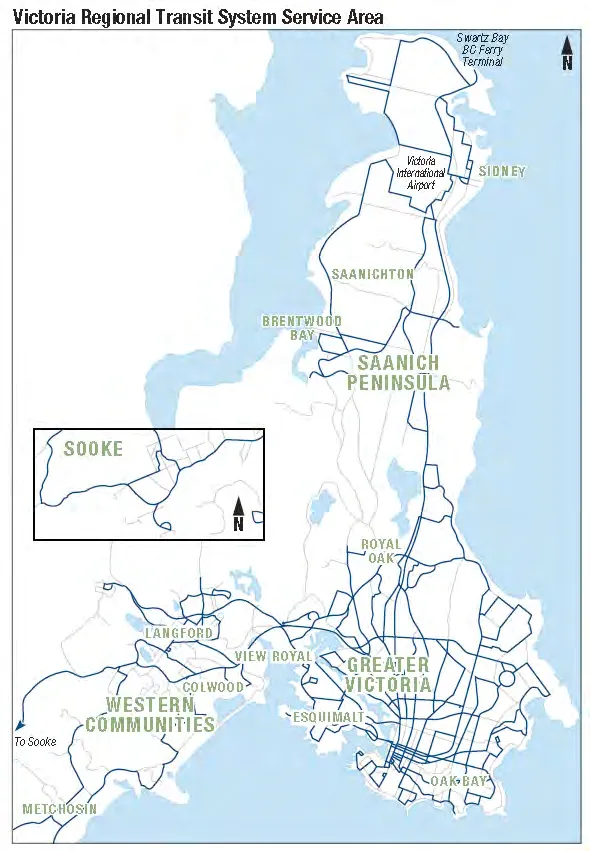
Welcome to Victoria Regional Transit
Overall System Scope:
- Second largest system in BC
- Over 100,000 passenger trips per day
- Fixed route and custom (handyDART)
- Carries more people per hour at lower cost per hour than Canadian peers
By the Numbers:
- 351 buses
- 1M service hours annually
- 56 routes with 2,300 bus stops
Page 4–17
Background: Victoria Regional Transit Commission
- Established under the British Columbia Transit Act
- Local government representation for transit services in the CRD
- Eight elected local government officials are appointed by the Province
- Chair is designated by the Minister responsible for BC Transit
- Appointment process, composition and term described in the Act
- Staff, resources and contracted services provided by BC Transit

Page 4–17
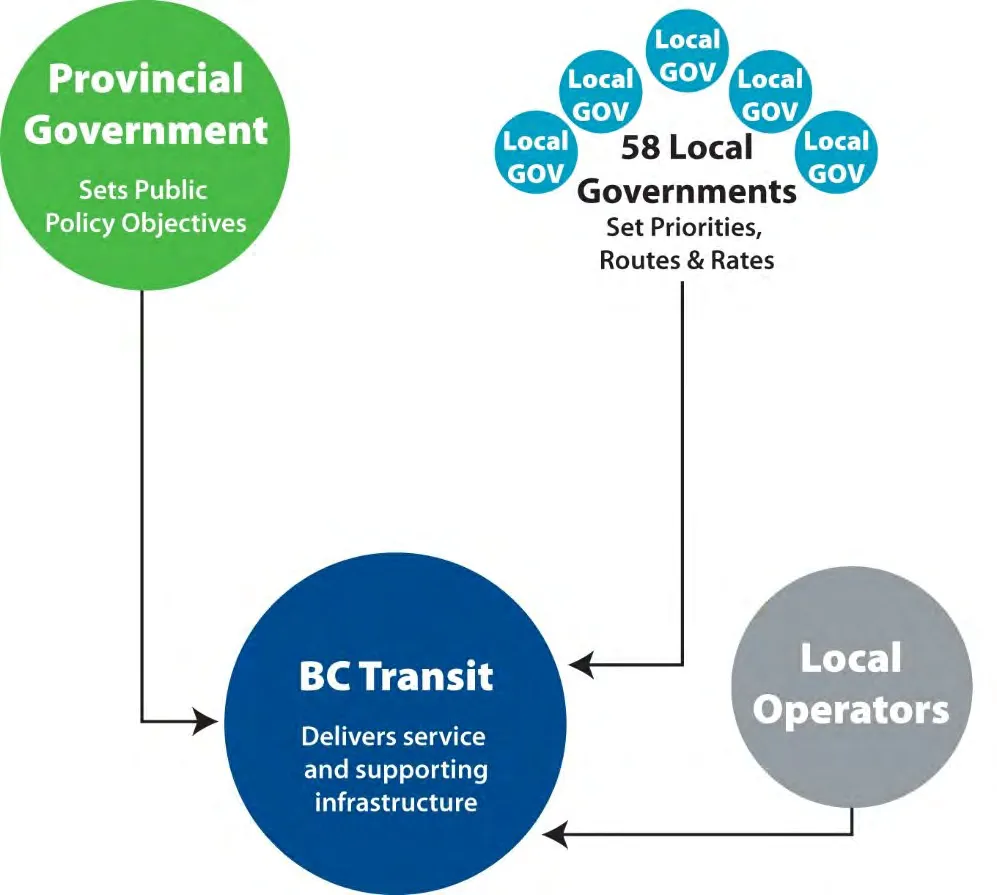
System Operates Through Partnership: BC Transit’s Model
Victoria Regional Transit Commission
- Plans community, establishes transit priorities and routes
- Sets service levels and approves budgets
- Set fares
- Provide local tax subsidy
BC Transit
- Turns VRTC priorities into transit operating and capital plans
- Works with Province to access funding
- Operates Victoria conventional service
- Manages capital program

Page 4–17
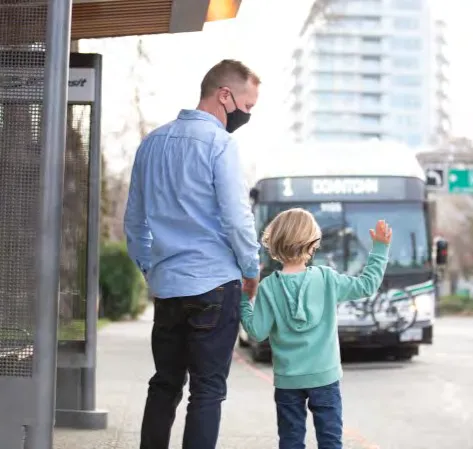
Local Government Collaboration
- Bus stops and shelters
- Municipalities responsible for roads — collaboration on infrastructure for multi modal transportation
- Local planning initiatives (OCP etc.)
- Development Referrals
- Stakeholder engagement
- Collaboration with MOTI on Highways infrastructure
- Collaboration with CRD on regional growth strategies, regional parks and trails
Page 4–17
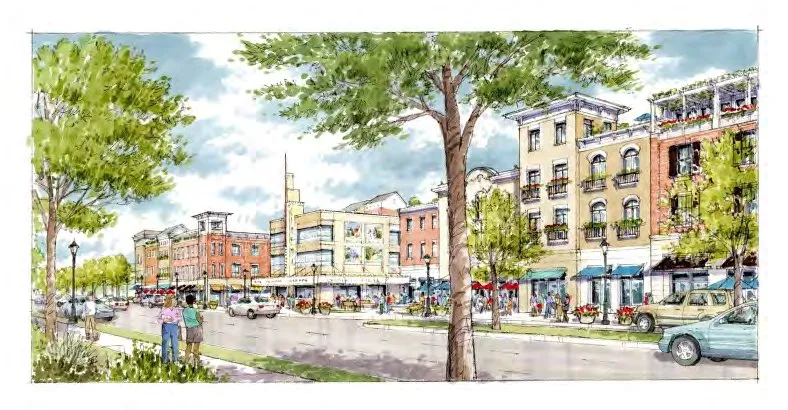
Development Referral Program
- Land-use is one of the main determinants of the productivity of transit service. BC Transit receives and responds to development referrals from local governments considering rezoning and large-scale development proposals.
- BC Transit provides comment on opportunities for transit supportive development, improvements to transit supportive infrastructure such as bus stops and sidewalks, and provides comments on the feasibility of future transit service to the proposed development.
- Approximately 40 Development Referrals received from Langford in 2021
Page 4–17
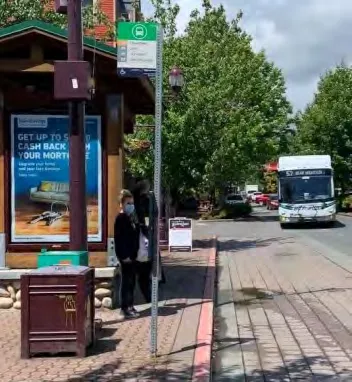
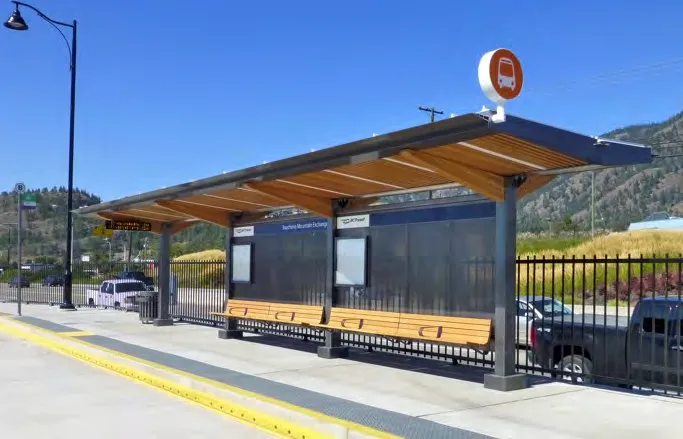
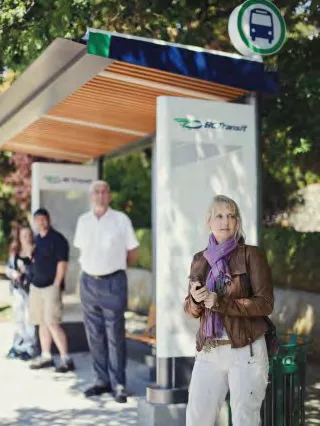
Bus Shelter Program
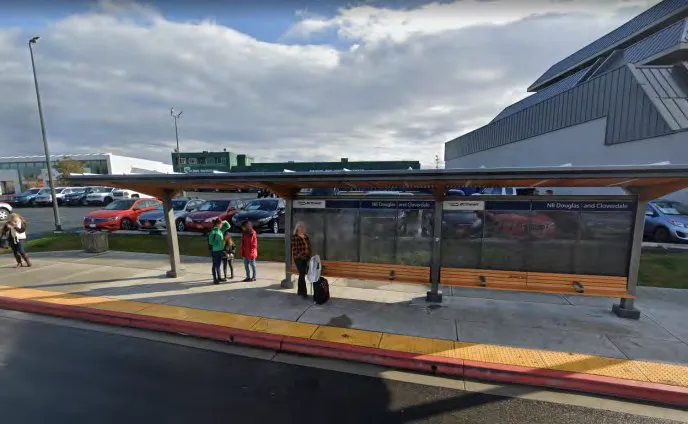
The Shelter Program provides a standardized design and system branding.
- Shelters are funded by BC Transit and the Transit Commission. Local governments fund the site preparation.
- BC Transit works with local governments to identify locations. Over 350 shelters have been installed in the region.
- Designs feature modularity for future expansion and include energy-efficient LED lighting with grid and solar power options.
Page 4–17
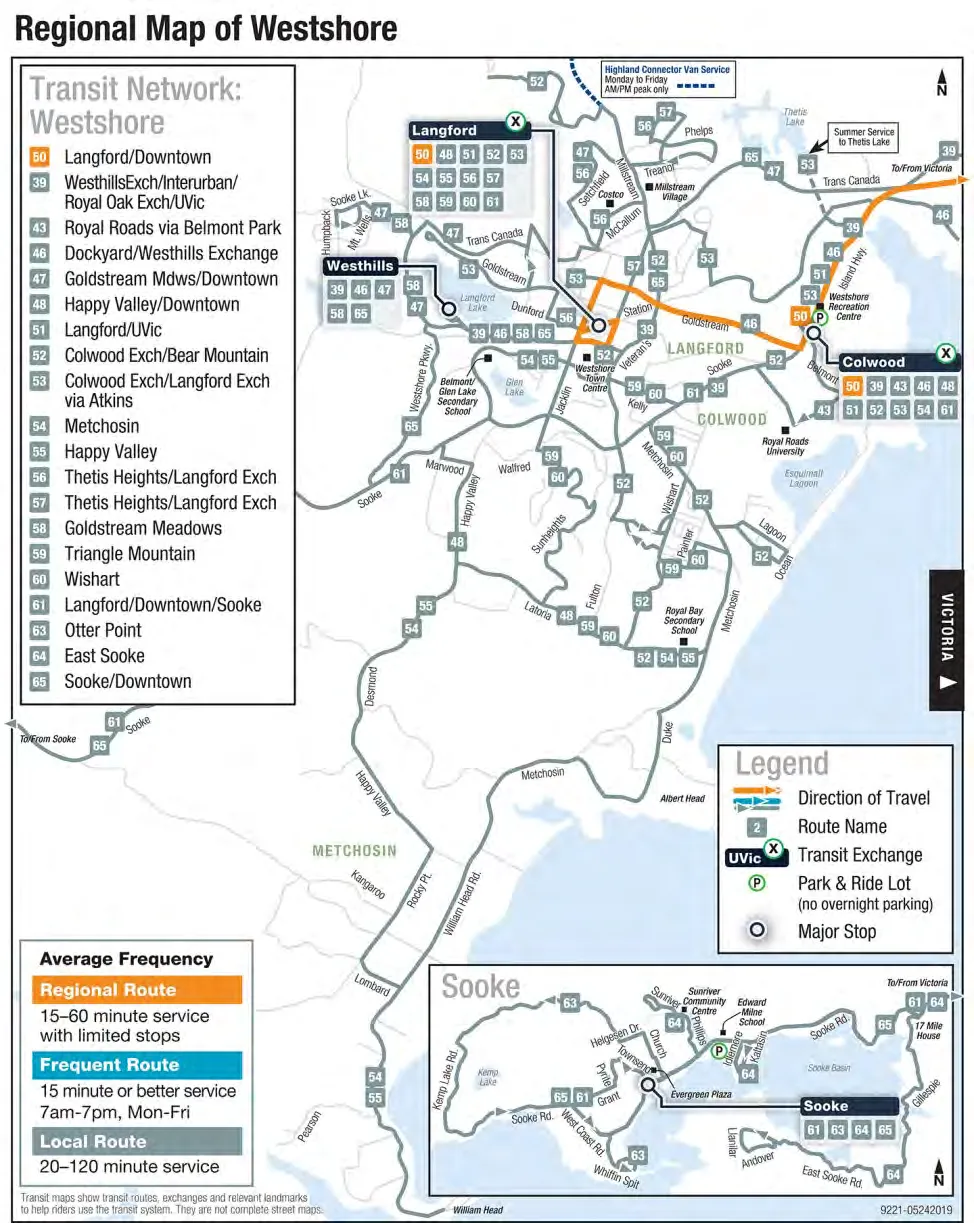
West Shore Local Area Transit Plan
Seeks to better align the transit network to rapidly changing land use and density within the West Shore region. Key topics include the following:
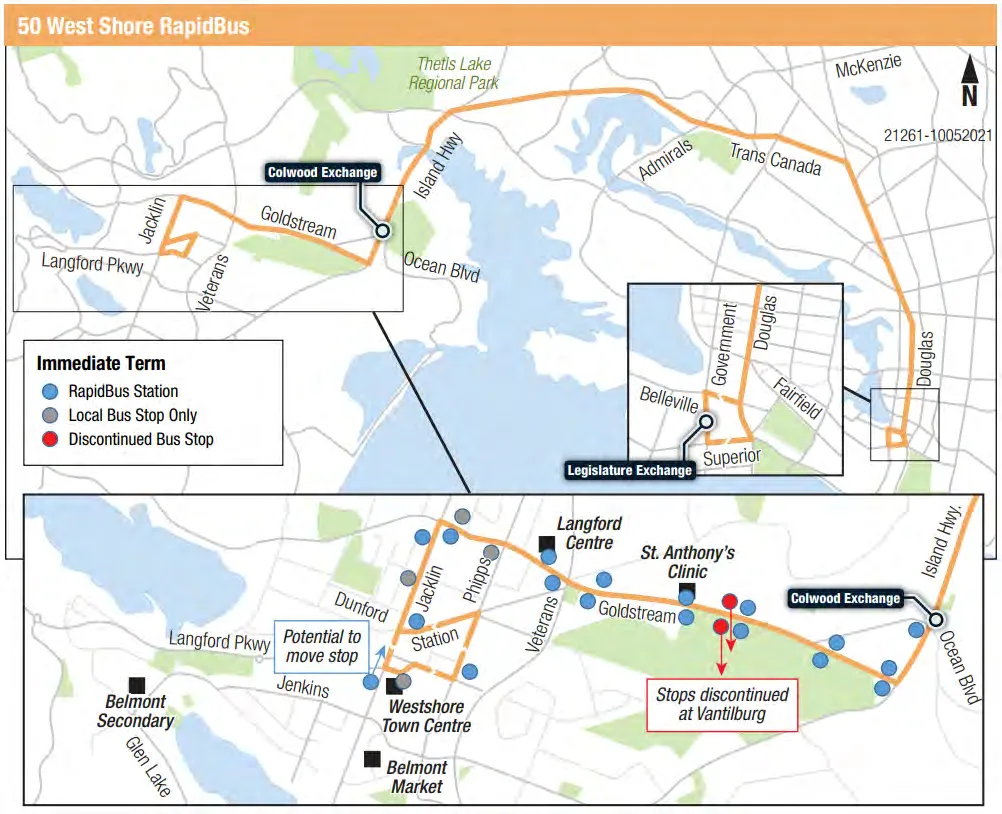
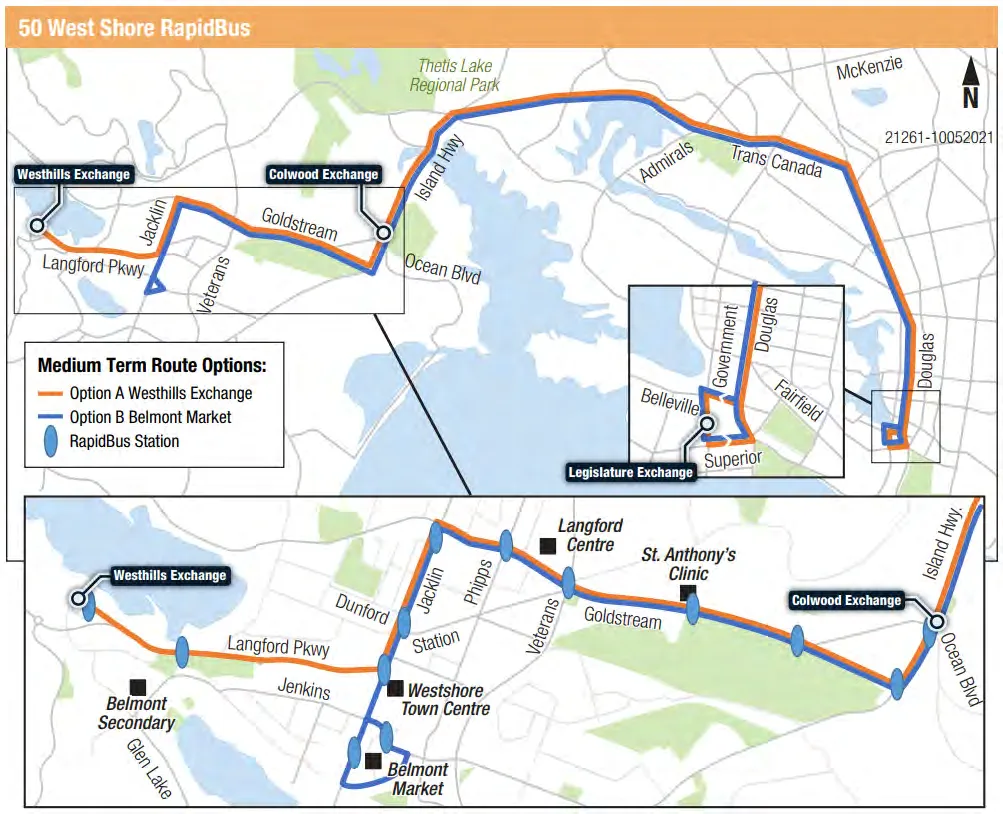
- West Shore RapidBus Line routing and station placement
- Routing and service changes to other West Shore area routes over the next 1-5 years
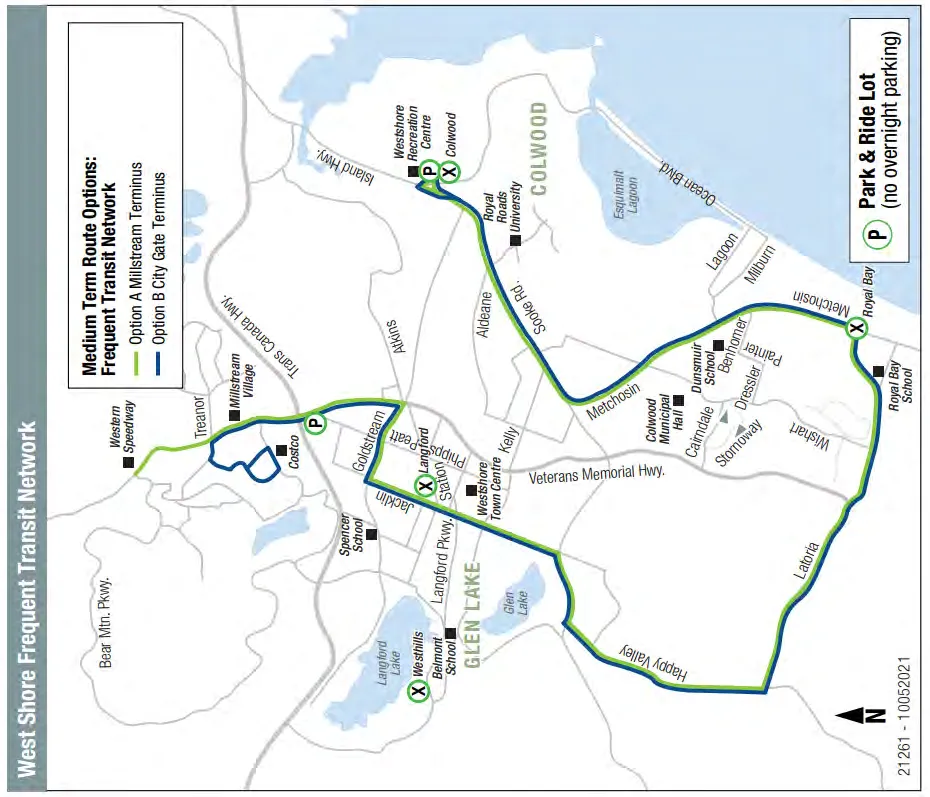
- Includes the development of a new Frequent Transit Network in the West Shore area
Process
- Project began June 2021, supported by Watt Consulting
- Project has been led by a project working group, including staff representatives from local governments
- Public engagement ran from October 27th to November 24, 2021
- Anticipated plan completion February, 2022
Page 4–17
West Shore RapidBus
- RapidBus Implementation Strategy completed in 2021
- Identified West Shore RapidBus Line as first phase
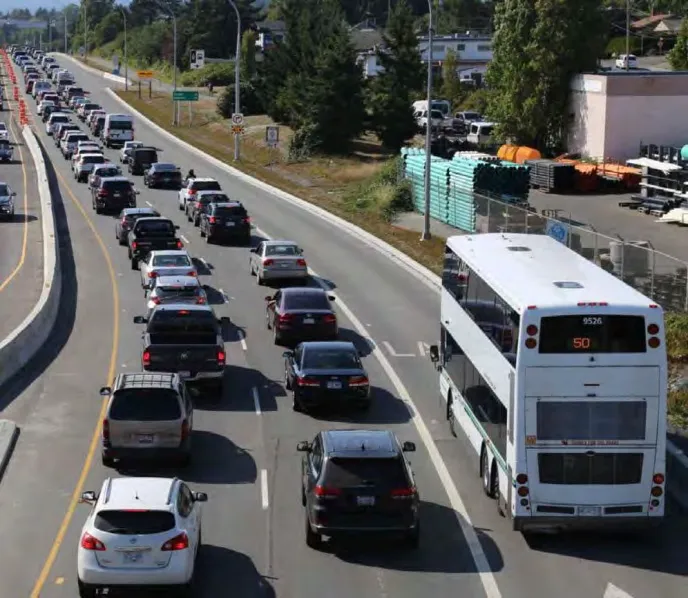
- Douglas Street dedicated bus lanes have already reduced travel times 10-20 minutes in peak and improved reliability
- West Shore Local Area Transit Plan includes routing and station concepts for public feedback
- Working with Local Government staff on further service and infrastructure implementation
Page 4–17
West Shore RapidBus Line – Short-Term Proposal
Page 4–17
West Shore RapidBus Line – Medium-Term Proposal
Page 4–17
West Shore Frequent Transit Network
Page 4–17
Successes
Thank you
Lisa Mullins, Senior Manager Government Relations
lmullins@bctransit.com
250-514-3024
For more information please visit bctransit.com/victoria
Page 4–17
Document Images
(2)
Extracted from: Agenda Package(211 pages total)